That $4 'Vintage Rose' on Etsy Might Be Free at the Library of Congress — We Traced 12 Listings Back to Their Sources
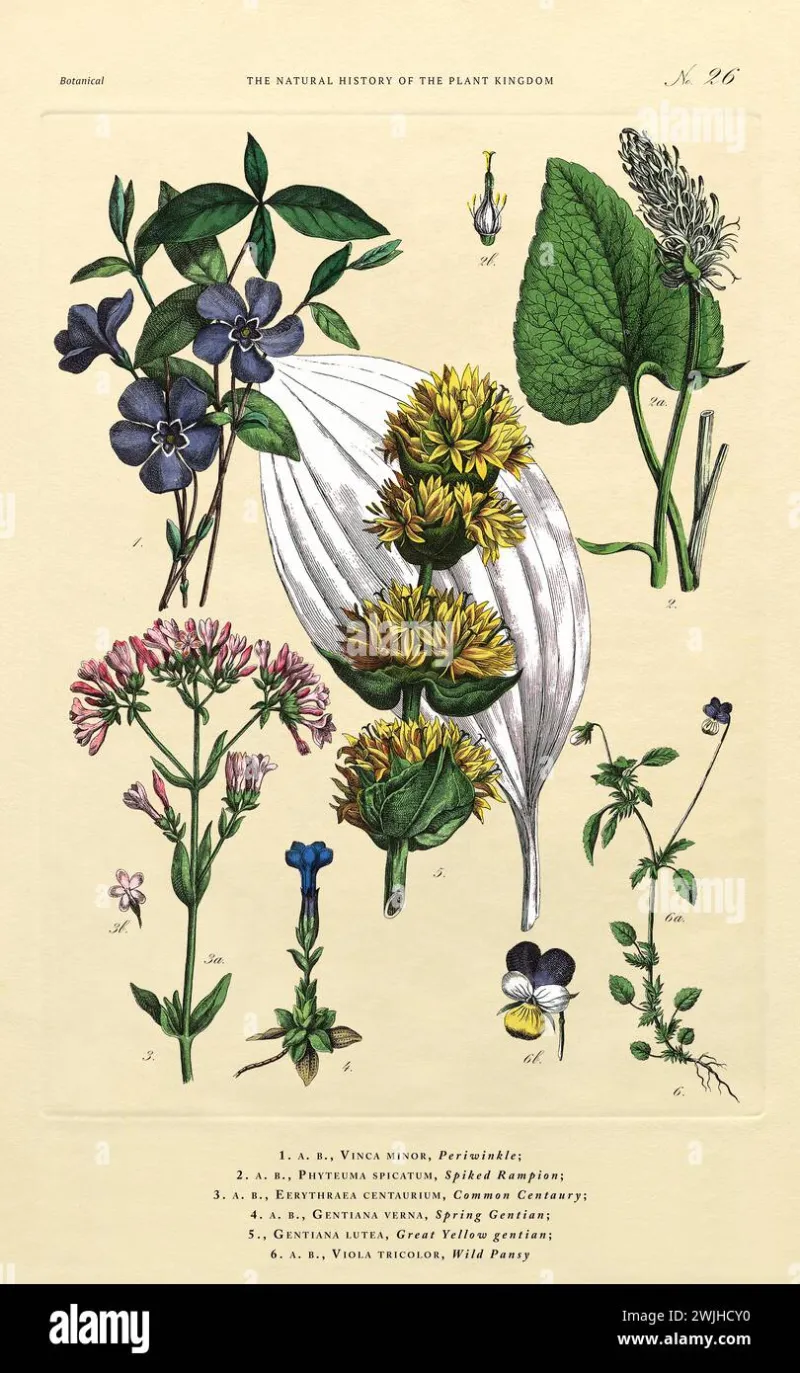
Photo: vintage Victorian botanical illustration scan antique book page, via c8.alamy.com
There's a strange little economy humming along on Etsy right now. Sellers with names like VintageCharmStudio are moving digital bundles of Victorian florals, retro botanical prints, and 1920s advertisement art for $3 to $8 a pop. The listings promise 'instant download' and 'commercial use included,' and buyers — teachers, wedding planners, small craft shops — snap them up by the thousands.
Here's the thing we kept wondering: where does all this vintage art actually come from? Nobody selling a digital download of an 1890s rose illustration drew it. So we spent a couple of weeks buying bundles, digging through archives, and tracing images back to their roots. What we found was less a scandal and more a masterclass in how public domain works — and how you can skip the middleman entirely.
What We Bought and What We Found
We pulled 12 listings across Etsy and Teachers Pay Teachers, prioritizing shops with strong sales and reviews. Total spend: about $54. Then we got to work with reverse-image searches, the Library of Congress digital collections, the Biodiversity Heritage Library, and a few old scan archives like Reusable Art and Old Design Shop.
The results, honestly, surprised us. Ten of the twelve bundles contained images we could locate in free public domain sources — usually the Library of Congress's Prints & Photographs Division or scans from digitized books hosted by the Biodiversity Heritage Library. One popular 'shabby chic botanicals' pack traced back to an 1887 seed catalog, digitized and freely downloadable in high resolution straight from the LOC website.
To be clear: this isn't theft. Anything published in the US before 1930 is generally in the public domain, meaning nobody owns it. Selling a public domain image isn't illegal, and the sellers we found aren't doing anything shady in a legal sense. But there's a difference between 'legal' and 'you're paying $5 for a file the federal government hosts for free.'
When a Vintage Image Is Actually Free to Use
Public domain status hinges on age and, occasionally, on how an image was created. The quick cheat sheet for US-based creators:
- Published before 1930: Public domain, full stop. That covers most of the 'vintage' aesthetic sellers lean on.
- Created before 1930 but never published: Usually public domain, though edge cases exist.
- 1930 to 1963 with copyright not renewed: Likely public domain — the vast majority of works from this era were never renewed.
- 1964 onward: Assume it's protected unless proven otherwise.
The vintage clipart world lives almost entirely in that first bucket. A chromolithograph from 1895 can't be re-copyrighted by whoever scans it. A scan is just a copy — and under US law, a 'slavish reproduction' of a two-dimensional public domain artwork doesn't generate a new copyright. Museums have tried to claim otherwise; courts haven't been sympathetic.
What Sellers Are Actually Adding
So if the source images are free, what are you paying for? Sometimes, something real. The best vintage clipart shops do genuine work: cleaning up foxing and scanner artifacts, isolating elements on transparent backgrounds, converting scans to clean SVG files for Cricut users, and bundling related images so you don't have to hunt. That's labor, and if you value your time at anything above minimum wage, $4 for 50 pre-cleaned transparent PNGs can be a fair deal.
But plenty of listings don't do any of that. We found at least three bundles where the images were raw archive scans — dust specks, yellowed backgrounds, watermarks from the original digitization project still visible — resold essentially as-is. One listing even included images with the Library of Congress's own credit lines baked into the corners.
How to Get the Same Stuff for Nothing
If you're willing to spend a little time, the free route is very doable. Start with the Library of Congress online collections — search terms like 'seed catalog,' 'trade card,' or 'chromolithograph' return thousands of high-res scans, most with no known copyright restrictions. The Biodiversity Heritage Library's Flickr account is a goldmine for botanical and zoological illustration, all public domain. The Metropolitan Museum of Art's open access collection and Wikimedia Commons round things out nicely.
A few practical tips from our digging: download the highest resolution available (LOC usually offers TIFF files), expect to do your own cleanup in a free editor like GIMP or Photopea, and screenshot or note the source URL for each image so you can document its public domain status if a marketplace ever asks.
Should You Ever Buy?
We're not here to shame anyone out of a $4 purchase. If a seller has done real restoration work — transparent backgrounds, vector conversions, consistent sizing — you're buying convenience, and convenience has value. Check listings for phrases like 'hand-cleaned,' 'vectorized,' or 'transparent background' and look at the preview images closely. If the previews show yellowed paper texture behind the art, you're likely looking at raw scans.
The takeaway: that charming vintage rose isn't magic, and it usually isn't proprietary. It's an 1880s illustration that belongs to everyone. Knowing where to look just means your clipart budget can go toward the bundles that actually earn their price tag.