1929 Just Went Free: The Vintage Ads, Posters, and Illustrations You Can Legally Sell This Year
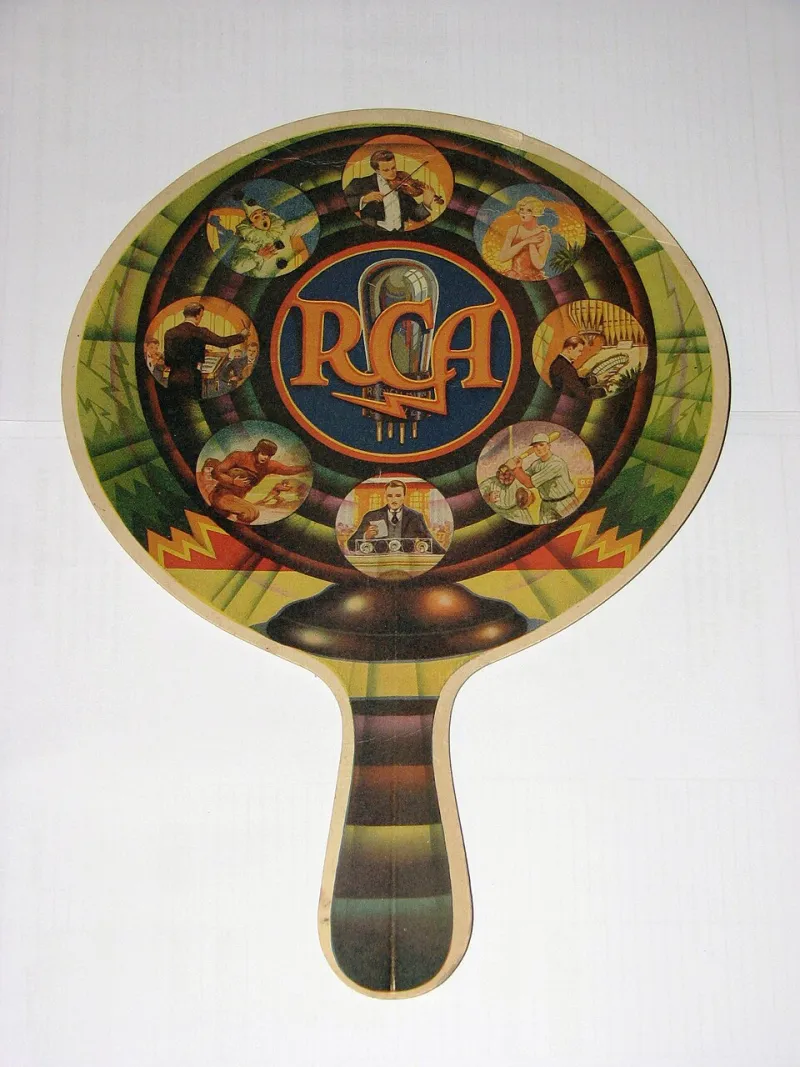
Photo: Joe Haupt from USA, CC BY-SA 2.0, via Wikimedia Commons
If you've been hoarding vintage clipart for years, we've got good news: your stash just got a whole lot bigger — and completely legal to sell.
On January 1, 2025, thousands of works first published in 1929 crossed into the public domain in the United States. That means old magazine illustrations, sheet music covers, film posters, and advertising art that used to carry copyright risk are now fair game for anyone with a Cricut and a dream. For the ClipartTop100 crowd — teachers, crafters, small-shop sellers — this is basically a clearance sale at the biggest archive on earth.
What Exactly Entered the Public Domain?
Under current US copyright law, works published in 1929 (plus sound recordings from 1924) finished their 95-year term this year. The headliners include Popeye's first appearance, the original Steamboat Willie-era cartoon landscape shifting again, and a mountain of commercial art that most people forget about: magazine covers, botanical plates, travel posters, and sheet music covers from the tail end of the Roaring Twenties.
Why should you care about a poster from a century ago? Because 1920s commercial illustration is gorgeous — bold Art Deco lines, limited color palettes, hand-lettered typography. It's the aesthetic that Etsy shoppers and planner-makers can't get enough of, and until this year, much of it was legally off-limits.
Where to Grab the Good Scans
Not all public domain sources are created equal. Some archives offer 72 dpi thumbnails; others hand you print-ready 600 dpi scans. Here's where we'd point you first:
- Library of Congress (loc.gov) — The gold standard. Their digital collections include high-res newspaper supplements, posters, and photograph collections with clear rights statements.
- Smithsonian Open Access — Nearly 5 million images, many tagged CC0, including design and advertising collections.
- Wikimedia Commons — Great for quick browsing, though scan quality varies. Check the file history before committing.
- Internet Archive — Full scans of 1929 books and magazines, which is where the real illustration treasure hides. Flip through old Vogue, Collier's, and seed catalogs.
- Project Gutenberg — Mostly text, but the illustrated editions often include period engraving and decorative borders.
We ranked these archives more thoroughly in our main directory, but for 1929-specific material, the Library of Congress and Internet Archive are your two best friends.
From Free Image to Sellable Product
Public domain means no permission needed, no royalties, no attribution legally required. But "legally clear" and "ready for Etsy" aren't the same thing. A few practical notes:
Clean it up, then it's arguably yours. A raw 1929 scan is public domain, but your restoration — removing stains, redrawing lines, recoloring — can strengthen your position if someone rips off your specific version. Keep your working files.
Watch for modern additions. Some archives add new photography, modern introductions, or editorial content to old books. The 1929 illustration is free; the 2015 introduction written by a modern author is not. Crop carefully.
Trademarks are a separate animal. Some characters and names from that era have active trademark protection even after copyright expires. If you're putting a famous 1929 character on merchandise, do a quick USPTO search before you list it. Copyright and trademark don't expire on the same schedule.
Don't claim you own the original. You can sell prints of a 1929 poster, but you can't register the underlying public domain image as your own copyright or send takedowns to others using the same scan.
Why This Matters Every Single Year
Here's the part that makes this an ongoing habit, not a one-time windfall: every January 1st, one more year of published works opens up. In 2026, it's 1930. In 2027, 1931. The Depression-era and WWII-era art that follows is some of the most iconic American graphic design ever made — WPA posters, wartime propaganda graphics, mid-century advertising.
The crafters who build a public domain pipeline now — bookmarking archives, learning to restore scans, keeping clean records of sources — will have a decade-long head start on the graphics everyone else discovers later.
Quick Checklist Before You Sell
- Confirm the work was published in the US before 1930 (or has a clear public domain marking).
- Download the highest-resolution scan available.
- Note the source URL and date in a spreadsheet — future you will thank you.
- Do your own restoration or modification.
- Run a trademark check if you're using character names or logos on products.
The public domain isn't a dusty library corner anymore. It's a growing inventory of some of the best graphic design America ever produced — and as of this year, it's all yours.