Zero-Cost Art, Real Paychecks: 7 Etsy Shops Turning Public Domain Graphics Into Monthly Income
Photo: May Rivers, Public domain, via Wikimedia Commons
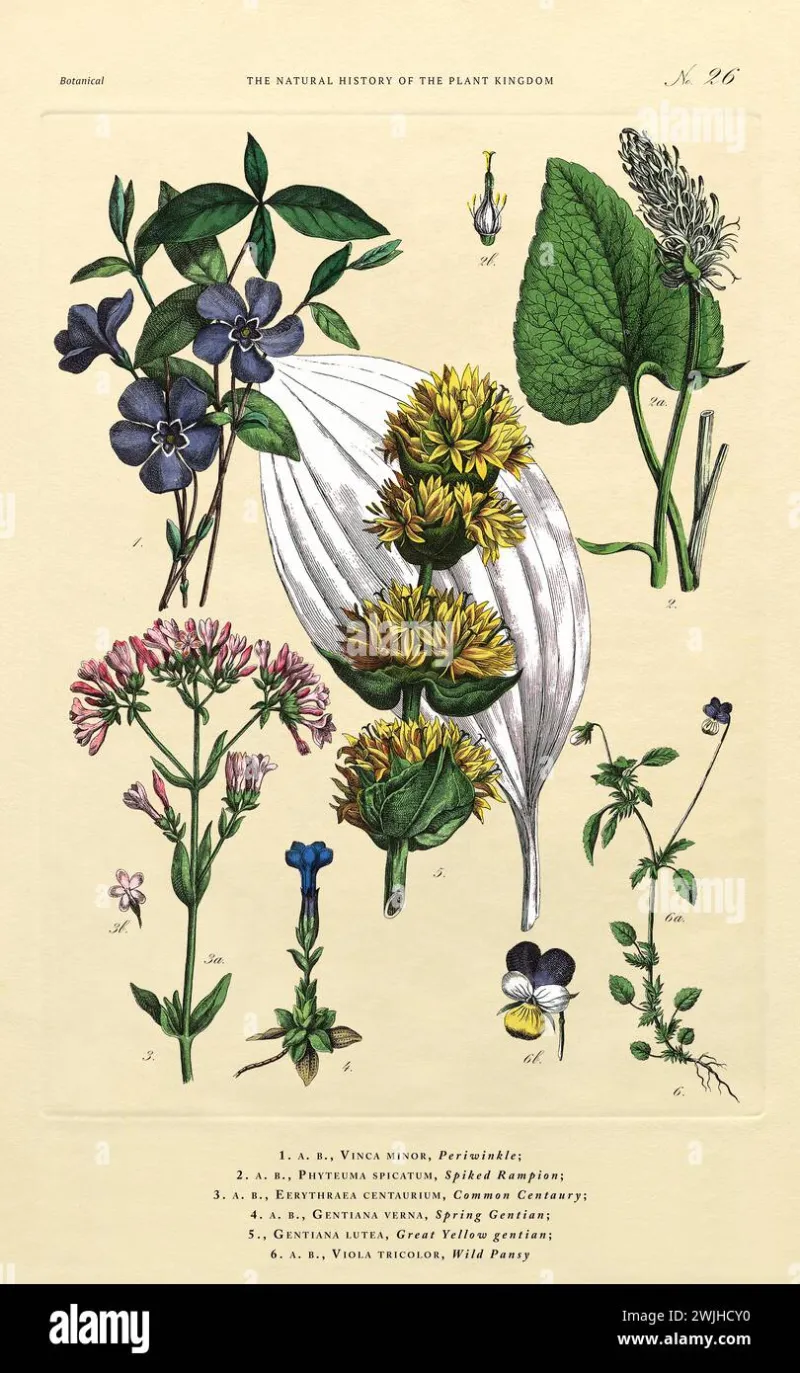
The vintage botanical print on that $18 Etsy wall art? It probably cost the seller exactly zero dollars. Same with the Victorian Christmas card set, the Art Deco wedding invitation suite, and the cute frog sticker pack shipping from Ohio right now.
Public domain graphics — old illustrations, advertisements, and clipart whose copyrights have expired — have quietly become the raw material for thousands of Etsy shops. We talked to seven sellers who've turned free graphics into real revenue, and their answers were refreshingly specific.
What People Are Actually Selling
The products fall into a few predictable buckets, but the margins are anything but boring:
- Digital downloads (printable wall art, junk journal kits, SVG bundles) — near-zero cost per sale, pure profit after Etsy fees
- Stickers and die cuts — free art printed on vinyl and sold in packs of 10-20
- Wedding and event invitations — vintage florals and flourishes as the design base
- T-shirts and mugs via print-on-demand
One seller, who runs a digital download shop out of Tennessee, shared her numbers: roughly $3,400 in monthly revenue, about 90% of it from printables built on Library of Congress and New York Public Library scans. Her cost per product? "My time, and that's it."
Another, selling vintage bird stickers, reported a more modest but steadier $600-900 a month — enough to cover her car payment, as she put it.
The Workflow, Step by Step
Nobody we spoke to just downloads a JPEG and lists it. The consistent workflow looks like this:
- Source from legit archives — Library of Congress, Wikimedia Commons, NYPL Digital Collections, and Smithsonian Open Access came up repeatedly. Sellers avoid random Google Images for obvious legal reasons.
- Clean the image — removing yellowed paper backgrounds, scan artifacts, and watermarks takes the longest. Most use Photoshop or free tools like Photopea.
- Add original elements — new colorways, text overlays, background patterns, or combining several graphics into a cohesive composition.
- Mock it up — the same botanical print sells better shown in a frame on a styled wall than as a flat file.
- Write real product copy — the successful shops describe print sizes, paper recommendations, and use cases.
The transformation step is where the money is. A raw 1890s seed catalog illustration is a curiosity; cleaned up, recolored, and framed as a farmhouse kitchen set, it's a $12 download that sells 40 times a month.
The Legal Line: Inspired By vs. Straight Resale
Here's where sellers get nervous, and rightly so. Public domain means the copyright has expired — anyone can use the image. But there are still ways to get in trouble:
- You can't copyright the public domain image itself. If you resell a raw scan with no changes, someone else can legally copy your listing pixel for pixel. Several sellers told us this happened to them.
- Modern reproductions can carry new copyrights. Some "vintage" images sold as stock are actually modern redraws. Check the source archive's licensing page, not just the image vibes.
- Trademarks still apply. A public domain image of a character or logo (think early Mickey Mouse-adjacent material) can still step on active trademarks.
- Museum-specific restrictions exist. A few institutions license images under non-commercial terms even for old works. Read the fine print.
The safest pattern, per every seller we interviewed: use public domain art as an ingredient, not the whole meal. Add your own design work, and document what you changed.
What Separates the $200/Month Shops From the $3,000/Month Shops
Three things came up over and over:
- Volume and consistency. The top earner lists 3-5 new products a week. The slower shops list monthly.
- Cohesion. Shops that pick a niche — say, vintage mushroom illustrations only — rank better in Etsy search and get repeat buyers.
- Presentation. The sellers making real money treat their listings like product photography, not file dumps.
The Takeaway
Free clipart and public domain graphics won't make you rich overnight, but they've become a legitimate low-cost side business for people willing to put in design work. The barrier isn't access to the art — it's the effort to transform it, list it well, and stay on the right side of licensing rules. Every seller we spoke to started with a single free image and a $0 budget. A few of them now have day-job-replacing numbers to show for it.