Districts Are Paying Six Figures for Graphics Teachers Already Get Free — We Checked the Math
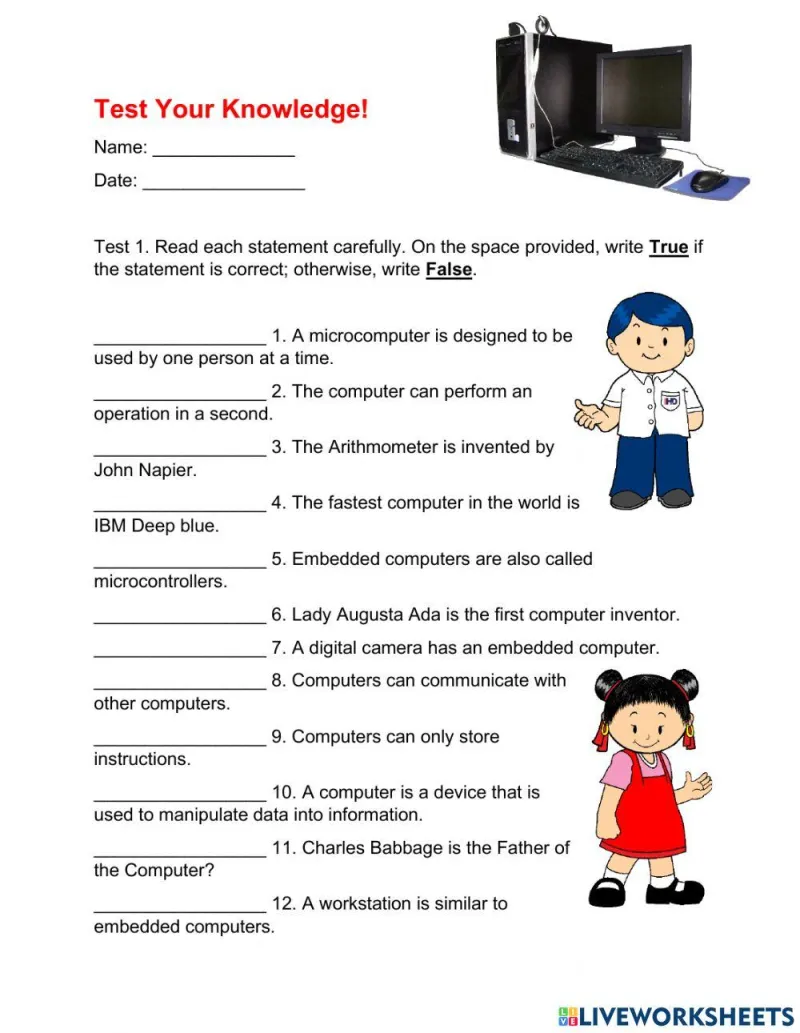
Photo: teacher printing worksheets classroom computer, via worksheets.clipart-library.com
Somewhere in your district's central office, there's a line item for "digital media resources." It might be a few hundred dollars. At bigger districts, it can balloon into the tens of thousands — and when you add up similar spending across the roughly 13,000 school systems in the US, you're looking at millions of dollars annually for stock graphics and clipart subscriptions.
We're not here to say paid tools are never worth it. Some are. But after talking with teachers and digging through what free resources actually offer in 2025, we found that most classroom use cases — worksheets, slide decks, newsletters, bulletin board printables — can be covered completely free. Here's how the contenders stack up.
What Districts Are Actually Paying For
Typical stock graphics subscriptions for schools run anywhere from $500 per building per year to five figures for district-wide licenses. The pitch is convenience: one portal, predictable licensing, no questions asked.
The problem? Nobody audits usage. Ask around a typical elementary school and you'll find the subscription is used heavily by maybe a handful of teachers, while everyone else is still grabbing images from Google and hoping for the best. That's the worst of both worlds — paying for something half the staff doesn't use, while the other half creates licensing risk anyway.
The Five Free Resources That Punch Above Their Price (Zero Dollars)
1. Openclipart
The granddaddy of free clipart, and still one of the most useful. Every file is released into the public domain under CC0, which means teachers can use, edit, and even print graphics on items sold for fundraisers without a permission slip. The search is clunky and the aesthetic skews simple, but for worksheet icons, arrows, and basic illustrations, it's hard to beat. Best for: everyday worksheet graphics and anything you might sell.
2. Pixabay
Massive library of illustrations, vectors, and photos with a straightforward license that allows commercial use. Quality varies — some uploads are clearly AI-generated now — but the vector selection for classroom decor and presentations is genuinely strong. Best for: presentation visuals and classroom posters.
3. Unsplash
Less clipart, more photography, but that's exactly what makes it valuable. Real photos of animals, landmarks, and occupations beat cartoon versions for older students and research projects. The license is unusually permissive even by free standards. Best for: secondary classrooms and photo-based projects.
4. The Library of Congress Digital Collections
Yes, really. Millions of public domain and openly licensed images — historical photos, vintage illustrations, WPA posters. A fourth-grade unit on the Great Depression can pull directly from primary sources instead of a generic cartoon of a breadline. Best for: social studies and history units.
5. Freepik (Free Tier)
The one caveat-heavy entry on the list: free downloads require attribution, and you'll want to read the license terms carefully. But the quality of vectors and educational illustrations is closer to what paid subscriptions offer than anything else on this list. Best for: polished handouts where you can include a credit line.
Head-to-Head: Free vs. Paid for Real Classroom Tasks
We ran each resource through four common teacher scenarios:
- Coloring pages and cut-outs: Openclipart wins. Simple, printable, zero restrictions.
- Google Slides deck for a lesson: Pixabay and Unsplash cover nearly everything paid subscriptions would.
- Primary source teaching: The Library of Congress beats every paid service outright. Paid clipart can't give you an authentic Civil War photograph.
- School fundraiser merchandise: Public domain sources (Openclipart, Library of Congress) are safer than most paid licenses, which often restrict commercial use.
The Budget-Meeting Checklist
Bring this to your next conversation about media spending:
- Pull actual usage stats for the current subscription (logins or downloads, not just "we have it")
- List which teachers actively use it and what for
- Identify tasks that free CC0/public domain sources already cover
- Confirm the paid license even permits your use cases (fundraisers, printed goods)
- Calculate cost per actual download — this number is often shocking
- Propose a one-year trial replacing paid graphics with vetted free sources
The Bottom Line
Paid stock subscriptions aren't a scam — but for most K-12 classrooms, they're a habit, not a necessity. The free resources above are legal, high quality, and in some cases better suited to education than anything behind a paywall. The millions districts spend annually could fund a lot of things teachers actually need. Graphics, it turns out, mostly aren't one of them.