That Dusty Library Card in Your Wallet? It Might Unlock Canva Pro, Creative Fabrica, and More — No 'Free Trial' Required
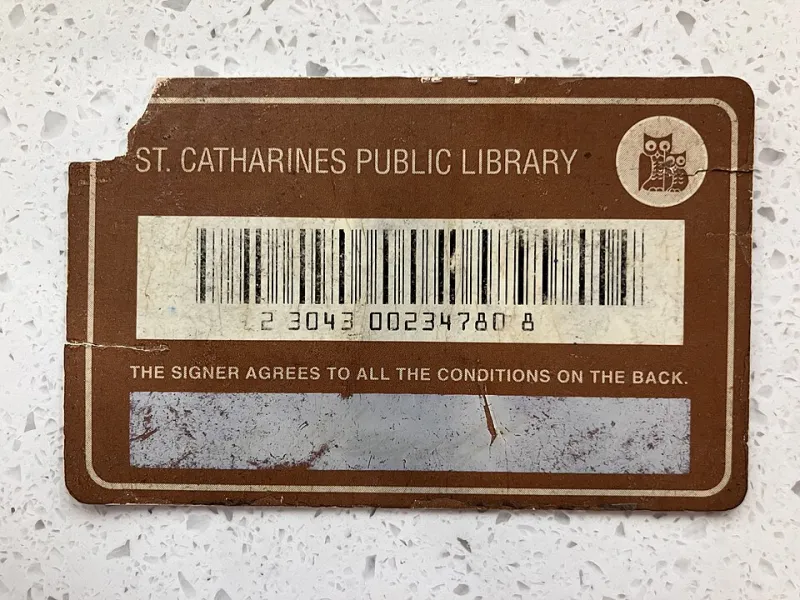
Photo: Gogerr, CC BY-SA 4.0, via Wikimedia Commons
Here's a fun exercise: dig out your library card and actually read it. Not the barcode — the fine print. Because depending on where you live, that flimsy piece of plastic might be worth several hundred dollars a year in premium design tools, and almost nobody talks about it.
We've spent a lot of time on this site cataloging genuinely free clipart and stock graphics — the public domain stuff, the open-license archives, the sites that actually deliver what they promise. But there's a second tier of free that most crafters and small-business owners never tap: the premium platforms hiding behind your local library's group subscriptions.
Wait, Libraries Pay for Canva Now?
Sort of — and the details matter. Public libraries across the US negotiate group access to digital resources the same way they've always paid for JSTOR or genealogy databases. What's changed is that the catalog has expanded well past research journals into creative tools and asset libraries.
What you might find depends entirely on your system:
- Creative skills platforms like Creativebug (craft tutorials, patterns, project files) are common in mid-size and large systems — think libraries in Ohio's CLEVNET consortium, many branches of the Texas State Library network, and a growing list of California systems.
- Design and productivity suites — some systems offer licensing education or access to template ecosystems rather than a straight-up Canva Pro login, so read the offer carefully.
- Stock-adjacent resources — font libraries, vector bundles through craft-education platforms, and image archives that normally sit behind paywalls.
- Digital archives like local newspaper scans and historical photo collections that pair beautifully with the public domain graphics we cover elsewhere on this site.
The exact lineup shifts by state and even by county. A card from the New York Public Library unlocks a different bundle than one from the Houston Public Library or the Seattle system. That's frustrating if you're looking for a master list, but it also means your neighbors are probably sleeping on perks they don't know exist.
How to Actually Find Out What You've Got
Don't call the front desk and ask "do you have Canva?" — you'll get a shrug. Instead, do this:
- Go to your library's website and look for "Digital Resources" or "Online Databases." This is where every group subscription lives. If the list is long, search the page for words like "design," "craft," "creative," or "images."
- Check your state library's portal. Many state libraries extend access to residents statewide, not just cardholders in big cities. The Texas State Library and Archives Commission and several others do this for certain platforms.
- Log in with your card number. Activation is usually just your barcode plus a PIN. No credit card, no trial countdown, no "your card will be charged $19.99."
- Ask about interlibrary perks. Some consortia let residents of smaller towns register for cards in neighboring county systems. If your rural branch offers nothing but the county seat 30 minutes away has a full digital lineup, get both cards.
Total time investment: about fifteen minutes. Expected cost: zero.
Why This Beats the Sketchy 'Free' Clipart Route
We test a lot of free graphics sites here — it's kind of our whole thing — and the honest truth is that the gap between "free" and "good" is where most people get burned. Sketchy clipart aggregators are where vague licensing, stolen work, and malware-laced downloads live. We've covered before how a single mislicensed image can turn into a four-figure demand letter.
Library-backed access flips that equation. You're getting assets from platforms that license work properly, which means:
- Clear commercial-use terms you can actually read and rely on for Etsy listings or client work
- Consistent file quality — real vectors, transparent PNGs, print-ready resolution
- No ad-gauntlet download pages or fake "download" buttons
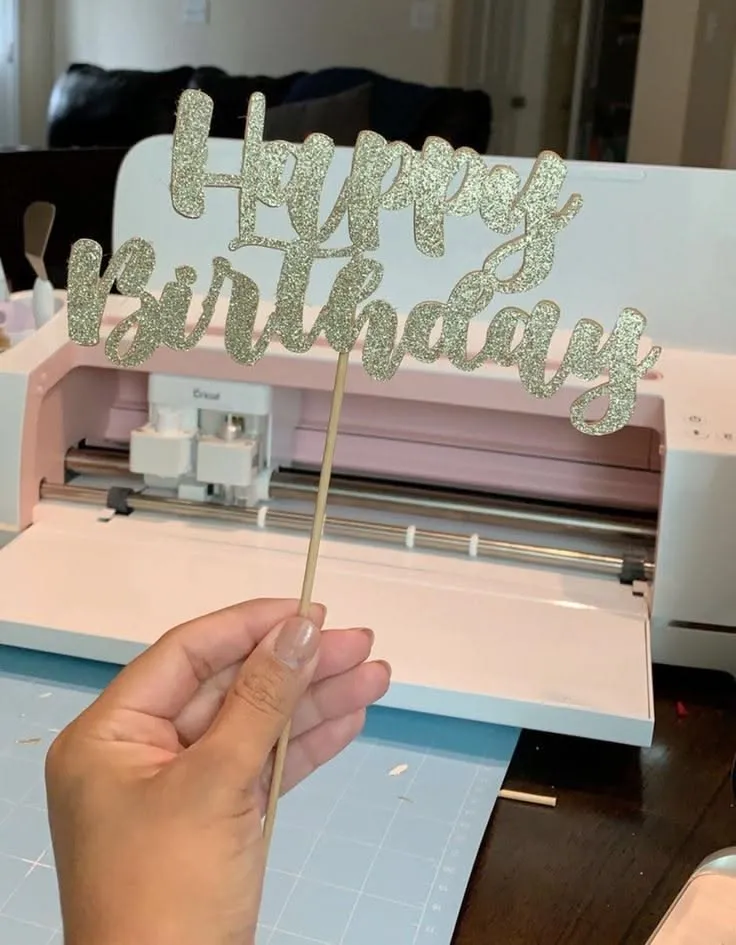
For a teacher printing classroom materials or a crafter running a Cricut side hustle, that licensing clarity alone is worth the library card.
The Fine Print Worth Knowing
A few honest caveats before you get excited:
- Residency requirements are real. Most systems require you to live, work, or (sometimes) own property in the service area. Don't try to game it with your cousin's address in another state.
- Access terms vary by platform. Some library subscriptions are for personal/educational use; commercial use may depend on the underlying platform's license tier, not the library's. Read the license for anything you plan to sell.
- Offerings rotate. Libraries renegotiate contracts. The resource that's there in January might be gone by fall, so bookmark the list and check back a couple of times a year.
- It's not a full Adobe Stock replacement. If you need enterprise-grade stock photography volume, you'll still be paying somebody. But for clipart, fonts, templates, and craft assets, the library route covers a surprising amount of ground.
Your Move This Week
If your library delivers the goods, congrats — you just found legitimate, license-safe premium graphics for the cost of a card you already own. If it doesn't, you have two options: push your library board to add creative-platform subscriptions (trust us, they respond to patron requests more than you'd think), or fall back on the vetted free sites in our rankings, where the licensing is airtight even if the selection is narrower.
Either way, stop paying $29 a month for a graphics subscription you might already have. Check the digital resources page first. Your wallet — and your future takedown-notice-free self — will thank you.