That Bulldog on Your Spirit Wear? Five IP Lawyers Look at the Mascot Clipart Teachers Buy and Sell Every Day
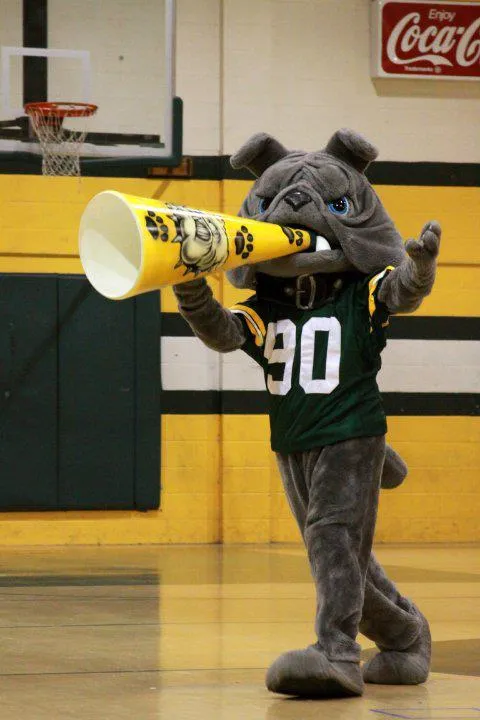
Photo: Tjp7675, CC BY-SA 3.0, via Wikimedia Commons
Every fall, thousands of American teachers download a cartoon panther, a snarling bulldog, or a swooshing eagle and slap it on classroom posters, spirit-wear order forms, and PTA fundraiser flyers. Most assume the $3 clipart bundle they bought on Teachers Pay Teachers covers all of that.
It probably doesn't.
We pulled a dozen real TpT listings featuring school mascots, plus spirit-wear guidelines from five public school districts, and asked five intellectual property attorneys to look at them cold. Their reactions ranged from polite winces to one blunt assessment: "This is a lawsuit waiting for a budget."
The Mascot Problem Nobody Talks About
Here's the uncomfortable truth: most school mascots in the US aren't owned by schools. They're owned by licensing companies — companies like Varsity Spirit, BSN Sports, and a handful of design firms that trademarked generic animal-and-letter combinations decades ago. That aggressive bulldog with the spiked collar? Variations of it are registered marks held by multiple entities, and none of them are your local high school.
"A district can use its own mascot logo," explains one attorney who reviewed our sample listings. "What it can't do is let a third party sell that logo on a T-shirt without a license. And a teacher selling clipart of that mascot is very much a third party."
What the Lawyers Actually Graded
We gave each attorney the same packet: six TpT listings, two district spirit-wear policy PDFs, and one Etsy shop selling mascot-themed teacher shirts. Then we asked them to grade the copyright risk.
The results were not reassuring:
- Two listings earned a C. The clipart was genuinely original — a stylized cat, not a copy of any registered panther mark. "Probably fine," one lawyer said, "if the artist can prove they never traced the school's actual logo."
- Three earned a D. These featured "generic" mascots that looked suspiciously close to widely licensed designs. One attorney noted that "generic" mascots are often the most heavily trademarked, because licensing companies rely on them for volume.
- One earned an F. It was a near-verbatim recreation of a college athletics logo, marketed to elementary teachers. "That's not a gray area," the reviewer wrote. "That's just infringement with extra steps."
The district guidelines fared no better. Four of the five we reviewed never mentioned clipart licensing at all — they covered vendor contracts and apparel vendors but said nothing about the $4 graphics teachers buy with their own money.
When Does a Bulldog Become a Legal Problem?
The attorneys kept circling back to three trigger points:
Money changing hands. A hand-drawn tiger on a classroom door is one thing. Selling that tiger on a fundraiser T-shirt is when trademark holders start caring. Fundraisers are, ironically, the highest-risk activity — they're commercial, public, and documented.
**Likelihood of confusion." If a parent sees your shirt and thinks the school or a licensed vendor made it, that's the trademark question," one attorney told us. A clipart mascot that resembles the official logo fails this test almost automatically.
**The seller's chain of title. Most TpT clipart licenses explicitly prohibit use on products for resale, or require extended licenses. Teachers selling spirit wear with standard clipart licenses are usually violating the clipart license before they ever touch a trademark issue.
A Checklist for Teachers Planning Spirit Wear or Classroom Decor
Before you print 200 shirts with that cute hawk graphic, run it through this list — assembled from the attorneys' advice:
- Ask your district who owns the mascot logo. Get it in writing. Some districts license their marks and can grant limited permission; many can't.
- Read your clipart license — the actual one. Look for the words "commercial use," "small business," and "resale." Standard licenses often stop at 100–500 physical products.
- Avoid the official logo entirely for anything sold. Even a modified version can infringe if it's "substantially similar."
- Use original or commissioned art for fundraisers. Paying a local artist $100 for a custom mascot design is cheaper than a cease-and-desist letter.
- Check the USPTO trademark database. Search your mascot name plus the design. It takes ten minutes and it's free.
- Keep receipts and license PDFs. If you're ever questioned, documentation is your entire defense.
- When in doubt, route it through the district. Anything bearing the school name should have an administrator's sign-off — for their protection and yours.
The Bottom Line for Clipart Shoppers
None of the attorneys we spoke with said teachers should stop buying mascot clipart. They said teachers should stop assuming a cheap download equals a legal right to profit from it.
"The clipart itself is usually fine," one summed up. "It's the mascot on the clipart that's the problem. Buy the bulldog. Just don't sell the bulldog — especially not the bulldog your school thinks it owns but doesn't."
For our part, we'd add this to every spirit-wear planning meeting: the five minutes you spend checking a license beats the five months you'd spend untangling a trademark complaint. Your PTA will thank you.